We have updated our hours on Saturday for your convenience. We will open at 9am and close at 2pm.
As always, your prescriptions can also be filled on Sunday at our Dry Ridge Location from 10am - 2pm.
Thank you for your continued loyalty!

Manténgase sano!
- Posted July 10, 2026
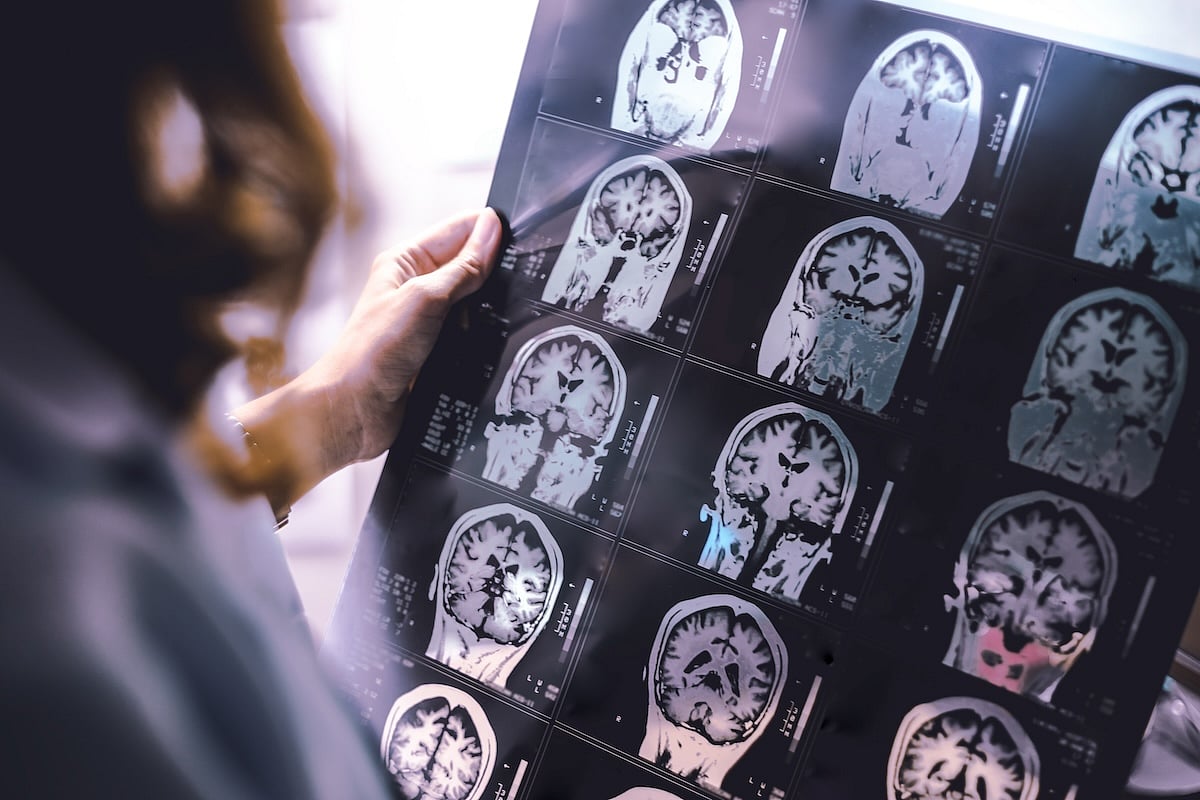
AI Can Detect Previously Invisible MS Scars In The Brain
Artificial intelligence (AI) can help doctors find previously invisible brain lesions linked to multiple sclerosis, potentially improving their ability to track disease progression, a new study says.
The gray matter of the brain plays a key role in MS progression, but conventional MRI scans can’t detect disease-driven lesions that form there.
However, a newly developed AI-driven process can “see” these hidden lesions, by comparing differences between individual MRI scans of a patient’s brain, researchers reported July 7 in the journal Communications Medicine.
“If you look on the original scans, you generally can’t see the cortical lesions, but generative AI is very powerful because it can look between the scans and detect tiny differences between them,” said lead researcher Michael Dwyer, an associate professor of neurology and biomedical informatics at the University at Buffalo in New York.
“Because it sees those minor discrepancies, AI can reveal that there’s something going wrong there, that the tissue is not behaving like healthy tissue,” Dwyer said in a news release.
Researchers developed the new process by combining multiple image-processing techniques, then tested it on MRI scans from an MS drug trial that included more than 700 patients.
The AI identified 15 to 20 previously invisible brain lesions in each patient’s gray matter, amounting to more than 11,000 for the entire data set, the study found.
“Detecting previously invisible cortical lesions on conventional legacy MRI scans has major implications for MS research and clinical care,” senior researcher Dr. Robert Zivadinov said in a news release. He’s director of the Buffalo Neuroimaging Analysis Center at the University at Buffalo Jacobs School of Medicine and Biomedical Sciences.
“The ability to see for the first time these previously hidden indicators of MS disease progression, including cognitive impairment and disability, is an important advance,” Zivadinov said.
For example, researchers can now test the effectiveness of existing and new MS drugs based on how they prevent gray matter lesions. Previously, MS drugs could only be tested for their effectiveness in preventing white matter lesions, which do show up on conventional MRI scans.
“This work, which has revealed that there is so much invisible pathology in the brain, will have tremendous impact for reviewing data from past clinical trials and also for those going forward,” Zivadinov said.
The research was supported in part by the pharma company Genentech, which funded the drug trial that gathered the MRI data used to test the AI.
More information
The National Multiple Sclerosis Society has more on using MRI to diagnose MS.
SOURCE: University of Buffalo, news release, July 7, 2026


